In today’s fast-moving world, staying connected to the internet is more important than ever. Whether you’re working from home, streaming your favorite shows, or running a business in a remote area — a reliable internet connection is a must. That’s where 4G routers come in.
But what exactly is a 4G router? How is it different from a regular Wi-Fi router? And where can it be used? In this blog, we will cover everything you need to know about 4G routers and their applications in a simple and easy-to-understand way. 4G router can also be called an LTE router or a 4G LTE router.
What is a 4G Router?
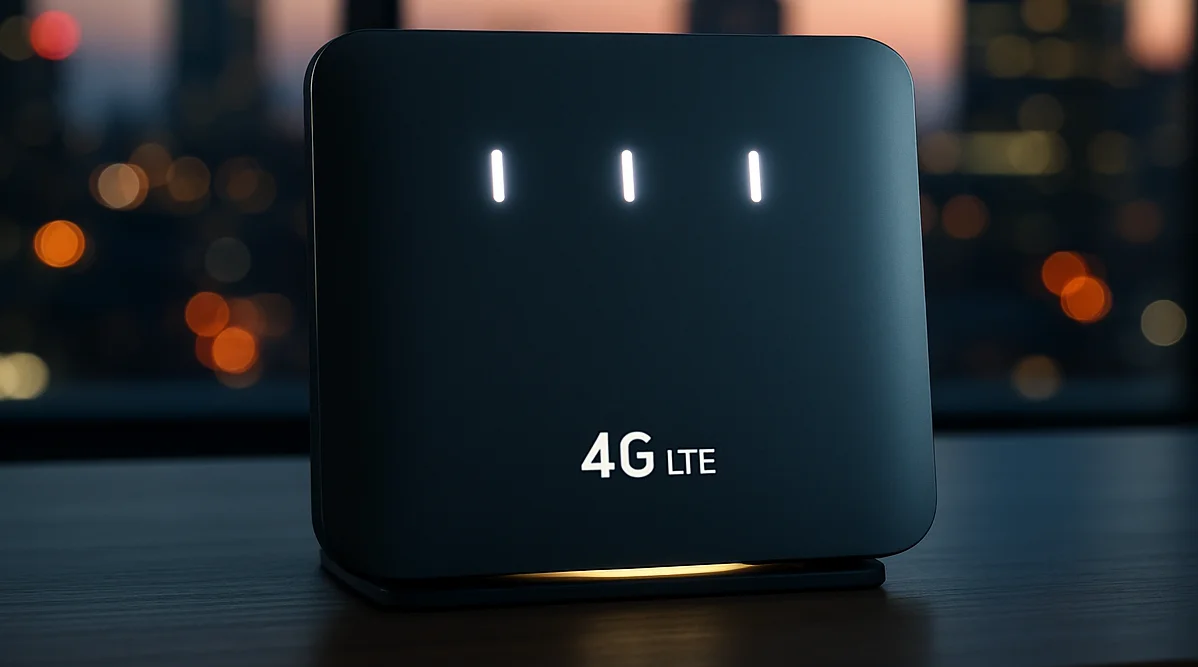
A 4G router is a type of wireless router that uses a SIM card (just like your mobile phone) to connect to a 4G LTE network and provides internet access to multiple devices via Wi-Fi or LAN (Ethernet).
Unlike traditional routers that need a broadband cable or fiber connection, a 4G LTE router only needs a 4G SIM card and a power source to create a wireless network.
How Does It Work?
A 4G – router works by:
- Inserting a SIM card with a data plan.
- Connecting to the nearest 4G tower.
- Distributing the internet through Wi-Fi or LAN ports.
This makes it ideal for areas with poor or no broadband infrastructure.
Key Features of 4G Routers
- Wireless Internet Access: No wires or cables needed.
- Portability: Can be moved anywhere with 4G coverage.
- Plug and Play: Easy to install and use.
- Multiple Connections: Supports multiple users/devices at once.
- Failover Option: Some models offer backup connections in case 4G fails.
- High Speed: Supports LTE speeds for fast internet browsing and streaming.
Difference Between 4G Router and Normal Router
| Feature | 4G LTE Router | Normal Wi-Fi Router |
|---|---|---|
| Internet Source | 4G SIM card (mobile network) | Broadband cable (DSL/Fiber) |
| Portability | High – can be used anywhere | Low – fixed in one place |
| Installation | Very easy (plug and play) | Requires cable and technician setup |
| Use in Remote Areas | Ideal | Not possible without broadband lines |
Applications of 4G Routers
1. Home Use
4G – routers are a great alternative for homes without access to fiber or DSL. Just insert a SIM card, and you’re online within minutes.
2. Remote Work / Work from Home
Freelancers, remote workers, and small business owners can enjoy stable internet even in rural areas or while traveling.
3. Travel / Outdoor Use
Planning a road trip or camping? A 4G – router can provide reliable internet on the go for GPS, music streaming, or work.
4. Small Businesses and Shops
Many shops, restaurants, and kiosks use 4G – routers for:
- Billing systems
- Online payments (POS machines)
- CCTV camera monitoring
- Customer Wi-Fi
5. Backup Internet Connection
Businesses often use 4G – routers as backup internet when the main broadband fails. This ensures no interruption in critical operations.
6. Rural and Remote Areas
4G – routers are a lifeline for villages, construction sites, or any location where broadband cables aren’t available.
7. IoT and Surveillance Systems
IoT devices like sensors, smart meters, and CCTV cameras need constant connectivity. A 4G – router helps power these devices wirelessly.
8. Mobile Office Vans / Events
Event organizers and mobile offices often rely on 4G – routers for setting up temporary but strong internet networks.
Popular Brands Offering 4G Routers
Pros and Cons of 4G Routers
✅ Pros
- No broadband required
- Easy setup
- Portable
- Works anywhere with 4G signal
- Perfect for rural and temporary setups
❌ Cons
- Speed depends on mobile network signal
- Data plans can be expensive compared to fiber
- Not ideal for very high data usage (like 4K streaming)
Tips for Best 4G Router Performance
- Place it near a window or open area for better signal.
- Use an external antenna if your model supports it.
- Choose a plan with unlimited data or high FUP.
- Check the router’s compatibility with your network SIM (Airtel, Jio, Vi, etc.).
- Reboot occasionally to keep the connection stable.
Is a 4G Router Right for You?
A 4G router is perfect for you if:
- You don’t have access to broadband.
- You live in a rural or temporary setup.
- You need backup internet.
- You want a quick and portable internet solution.
However, if you need unlimited data and faster speeds, fiber broadband may be a better option.
Conclusion
In summary, a 4G router is a powerful and flexible device that brings the internet wherever there is mobile network coverage. With its plug-and-play nature, it’s ideal for homes, businesses, travelers, and remote areas where traditional broadband can’t reach.
As we move into an era of smart homes, IoT, and digital connectivity, having a backup or primary internet connection through a 4G LTE router is becoming more common and more necessary.
Frequently Asked Questions (FAQ)
Q1: Is a 4G LTE router better than a mobile hotspot?
Yes, a 4G router is better for multiple users and provides more stable connectivity. It also offers LAN ports for wired devices.
Q2: Can I use any SIM card in a 4G LTE router?
Most unlocked 4G routers support any SIM. However, some models may be locked to a specific carrier (like Jio or Airtel).
Q3: What is the average speed of a 4G LTE router?
Depending on the network, average speeds range from 10 Mbps to 50 Mbps, though it can go higher in some areas.
Q4: Does a 4G LTE router need recharging?
No, 4G routers usually plug into a power outlet. However, portable 4G routers (like JioFi) come with rechargeable batteries.
Q5: Can I connect CCTV cameras to a 4G LTE router?
Yes! Many small businesses and homes use 4G routers to provide internet to IP cameras for remote monitoring.
Q6: Is it safe to use 4G LTE routers?
Yes, they are as safe as any other router. Make sure to change the default password and enable WPA2 security.
Q7: Can I use a 4G LTE router for online gaming?
Yes, but gaming performance depends on network stability. It may not match the consistency of a wired broadband.


